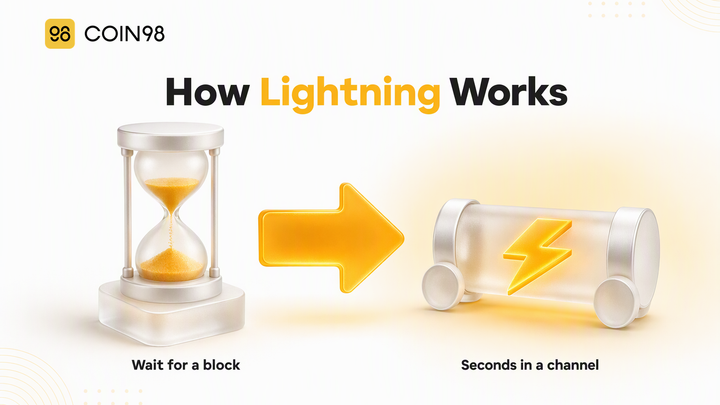
What is the Lightning Network, and what are its real risks? Lightning makes bitcoin fast and cheap to spend through payment channels. How it works, and the real risks before you use it.
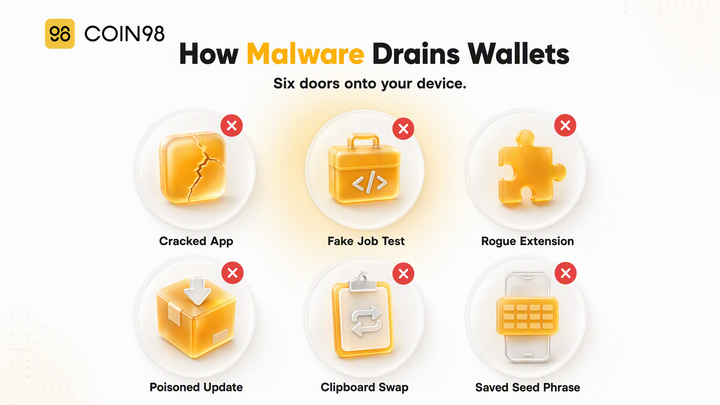
Crypto malware: the patterns that keep draining wallets, and the habits that stop them Malware rarely breaks a wallet. It gets onto the device. The five patterns behind most wallet drains, and the habit that stops each.
Rug pulls: the on-chain warning signs before a token collapses Every rug pull takes one of three exits. How each one works, and the four on-chain checks that can catch it before you buy.
This Week in Crypto (October 26–November 2): $6.3 Billion Vanishes From Binance in 20 Minutes, Bitcoin Posts Its Worst October Since 2014, and a 10 ETH Bug Blocks North Korea's Exit The largest theft in crypto history took about 20 minutes. On October 29, attackers drained $6.3 billion from Binance's hot wallets, and by Saturday the FBI pinned it on North Korea. Bitcoin fell to $76,400, October closed as the worst month for the asset since 2014,
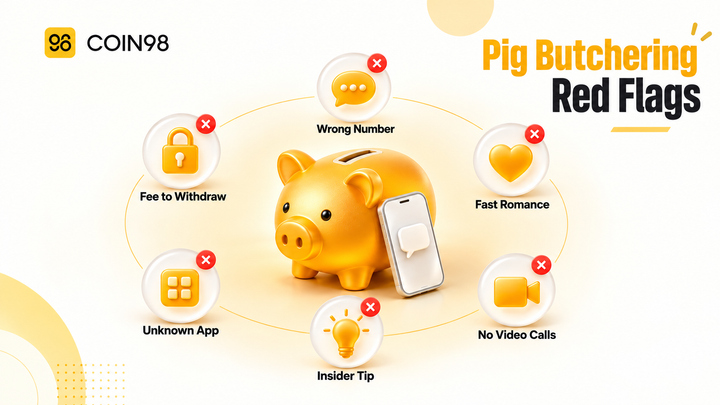
Pig butchering scams: how the long con is built, step by step It starts with a wrong-number text and ends with a fee to withdraw. How pig butchering scams work, step by step, and the red flags at each stage.
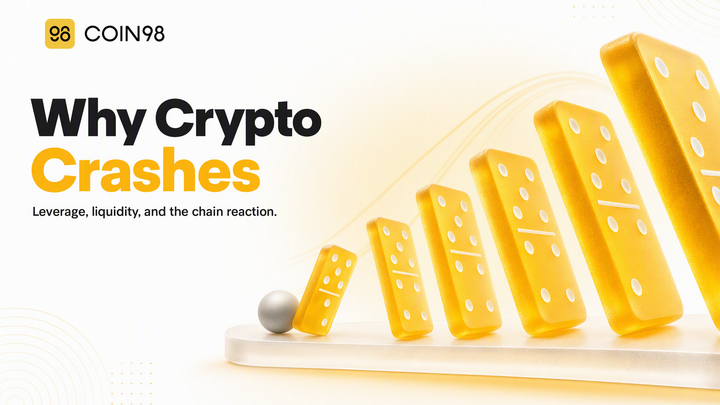
What causes a crypto crash? Leverage, liquidity, and reflexivity Traders lost $404M in longs in four hours on October 24. Here's how leverage, thin liquidity, and forced selling turn a dip into a crypto crash.
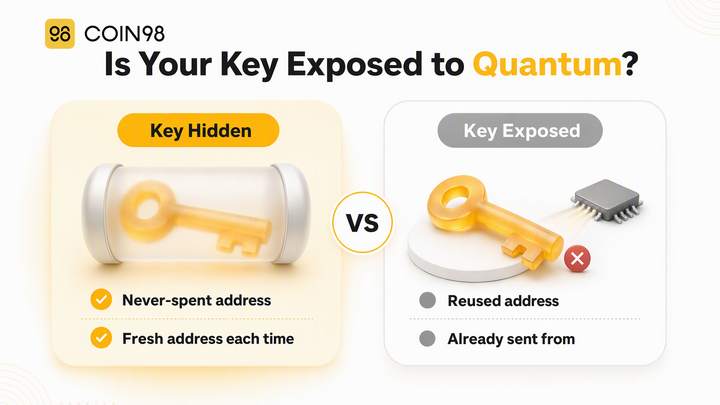
Quantum computing and crypto: is your wallet at risk? No quantum computer can steal crypto today. When one can, it needs your public key. Here's which coins are exposed and what to do now.
This Week in Crypto (October 19–26): The First GENIUS Rule Goes Final, Bitcoin Breaks $80,000 After an $85,000 Head Fake, and SpaceX–Tesla Talks Put 30,221 BTC on the Table If last week was about what can go wrong inside one device, this week in crypto was about rules and plumbing. The OCC published the first final rule under the GENIUS Act, and it left room for stablecoin rewards. Bitcoin nearly touched $85,000 and then slipped under $80,000
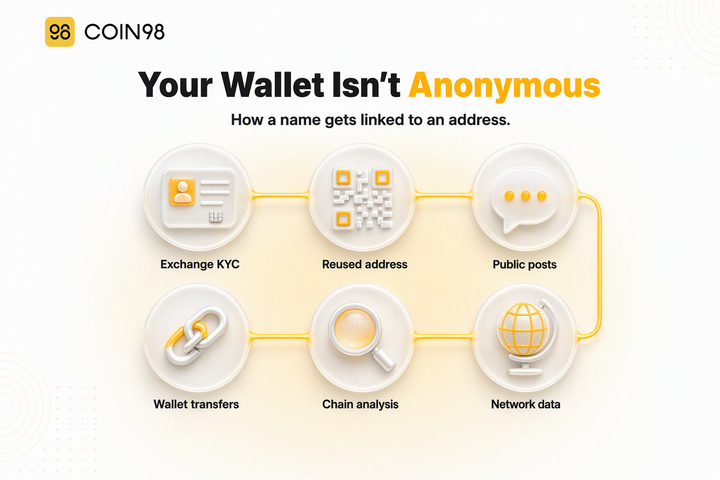
Is crypto anonymous? How a name gets linked to a wallet address Your wallet address has no name on it, but one link exposes its whole history. How names get tied to addresses, and how to keep yours private.
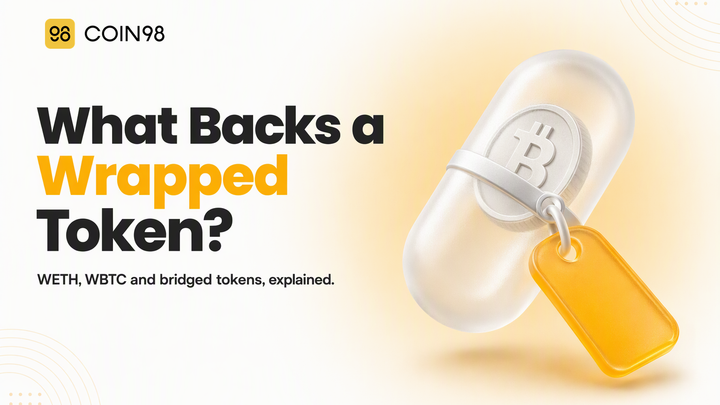
What are wrapped tokens, and what actually backs them? Every wrapped token is an IOU for an asset held somewhere else. Learn who holds WETH, WBTC and bridged tokens, and how to check one first.
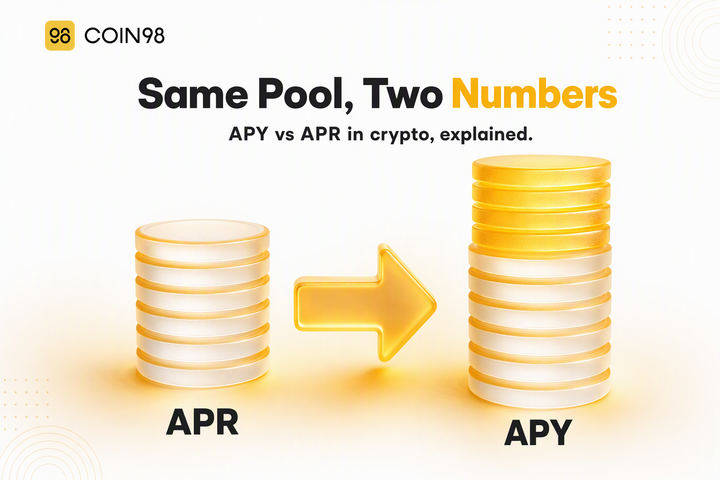
APY vs APR in crypto: why one pool shows two numbers APR is the simple rate, APY assumes every reward is reinvested. How compounding changes the number, and what neither one tells you.
This Week in Crypto (October 12–19): Ledger's Implant Sent Seed Phrases Over LTE, MSCI Adopts a Rule That Could Drop Strategy, and Richard Heart Is Detained in Istanbul Last week was about tampered hardware wallets draining their owners. This week in crypto, we learned how the attack worked, and it turned out to be a lesson about seed phrases. Ledger traced the theft to a hidden cellular implant, and an unrelated chain halted after weak seeds were drained.
This Week in Crypto (September 28–October 5): A Senate Report Traces Iran's Money to USDT, 29,000 Jobs Price Out the October Hike, and Zano Rewinds a Month of Its Own Chain If last week was about how money leaves an exchange, this week was about who gets to move it in the first place. A Senate report linked USDT to Iran's sanctions evasion, followed three days later by Treasury action against Russia's A7 payments network. The SEC
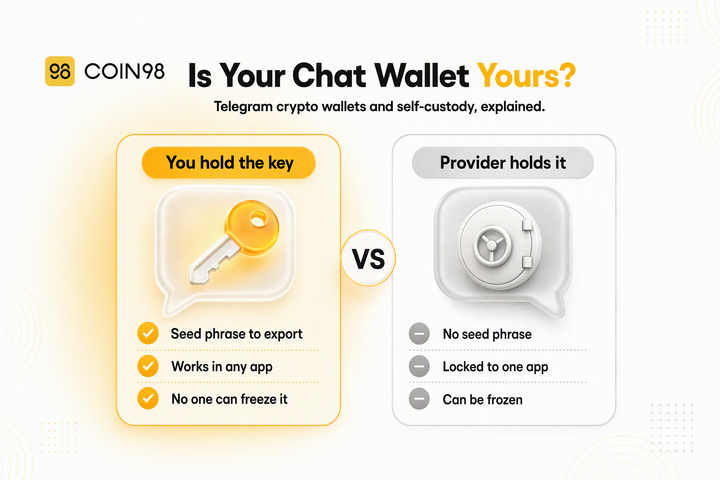
Telegram crypto wallets explained: self-custody in messaging apps A Telegram crypto wallet can be custodial, seed-phrase based, or tied to your login. Two questions tell you which, and what happens if you lose it.