What is RWA? Bridging Real World Assets to Blockchain
Discover Real World Assets (RWA) and tokenization. Learn how projects like Ondo Finance are changing DeFi and how to securely manage RWA tokens with Coin98.
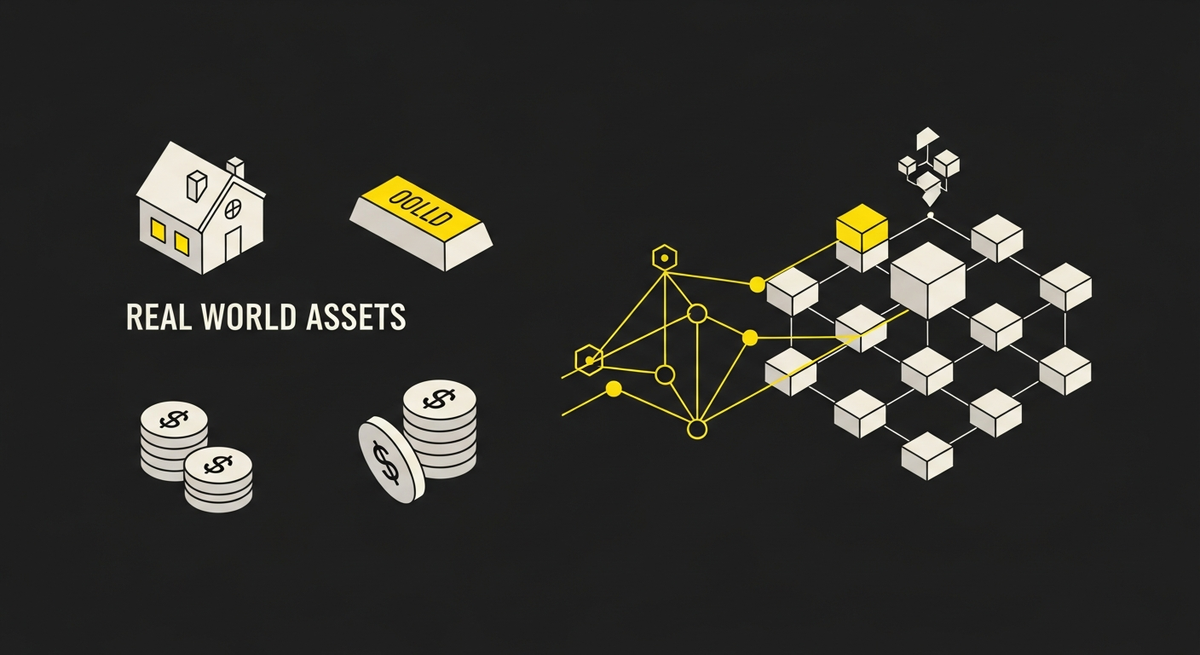
What if you could trade a fraction of a New York skyscraper or earn yield from U.S. Treasury Bills, all on the blockchain? This isn't a far-off concept; it's the reality of Real World Assets (RWA), a narrative set to bridge the multi-trillion dollar world of traditional finance (TradFi) with the efficiency of DeFi.
For years, DeFi's growth has been fueled by crypto-native assets. But to achieve mainstream adoption, it needs to connect with tangible value from the outside world. This is where RWA comes in, and it's more than just a trend—it's a foundational shift.
What Exactly Are Real World Assets (RWA)?
RWA (Real World Assets) refers to the process of bringing physical or traditional financial assets onto the blockchain through a process called tokenization. Instead of trading an abstract digital currency, you are trading a token that represents a verifiable claim on a real-world item of value.
Think of it as creating a digital twin for a physical asset. These assets can include:
- Real Estate: Fractional ownership of commercial buildings or rental properties.
- Private Credit: Loans made to companies, tokenized for investors.
- Government Bonds: Such as U.S. Treasury Bills, offering stable yield.
- Art & Collectibles: High-value paintings or rare items made divisible and tradable.
- Carbon Credits: Representing a reduction in greenhouse gas emissions.
The goal is to unlock the immense value locked in these traditionally illiquid assets, making them more accessible, transparent, and efficient to trade and utilize within DeFi protocols.
How Does RWA Tokenization Work?
Bringing a tài sản thế giới thực (real world asset) on-chain is a meticulous process that requires bridging the legal, physical, and digital worlds. While the specifics vary, the core mechanism generally follows three stages.
1. Off-Chain Formalization
Before anything touches the blockchain, the asset must be legally prepared. This involves verifying ownership, conducting a formal valuation, and often placing the asset into a legal entity, like a Special Purpose Vehicle (SPV). This legal wrapper ensures that the on-chain tokens have a legitimate claim to the off-chain asset.
2. Information Bridging & Digitization
Once the legal framework is set, key data about the asset—such as its valuation, ownership records, and yield information—is brought on-chain. This is often done using oracles, which act as secure data feeds between the real world and the blockchain. This data is then used to mint digital tokens that represent the asset.
3. Token Issuance & Distribution
Finally, tokens are minted on a chosen blockchain. Each token represents a share or a claim on the underlying asset. These tokens can then be distributed to investors and traded on secondary markets, just like any other cryptocurrency. The key difference is that their value is directly backed by a tangible, verifiable asset.
A Practical Example: Ondo Finance
To understand the power of RWA, let's look at a leading project in the space: Ondo Finance. Ondo recognized a significant problem: DeFi yields are often volatile and complex, while some of the most stable, low-risk yields in the world—like those from U.S. government bonds—are inaccessible to most crypto users.
Ondo Finance solves this by tokenizing short-term U.S. Treasury Bills. Their flagship product, OUSG, is a token representing a share in a BlackRock U.S. Treasuries ETF. Here’s why this is a game-changer:
- Stable Yield in DeFi: It allows DeFi users to access stable, low-risk yield from the TradFi world without leaving the on-chain ecosystem.
- Global Accessibility: It opens up access to U.S. financial products for investors globally, who might otherwise face significant barriers.
- Composability: These RWA tokens can potentially be used as collateral in lending protocols or in other DeFi strategies, creating a more robust and stable financial system.
Ondo is a prime example of how RWA can provide real, sustainable value to the blockchain space, moving beyond speculative assets to income-generating instruments.
The Future is Multi-Asset: Managing RWAs with Coin98
As the RWA sector grows, your portfolio will no longer consist of just BTC, ETH, and stablecoins. You might hold tokens representing real estate in Tokyo, a stake in a private tech company, and U.S. government bonds—all at the same time, and likely across different blockchains.
This diversification creates a new challenge: how do you manage this complex, multi-chain portfolio securely and efficiently? This is where we built the Coin98 Super Wallet to be your central command center.
As a builder in this space, we understand that a wallet must evolve from a simple coin holder to a comprehensive asset management tool.
The Coin98 Super Wallet is designed for the RWA future:
- True Multi-Chain Support: Whether an RWA token is issued on Ethereum, Solana, Polygon, or an emerging Layer-2, you can manage it all from a single, intuitive interface. You don't need a separate wallet for each ecosystem.
- Non-Custodial Security: When dealing with tokens that represent significant real-world value, security is paramount. As a non-custodial wallet, Coin98 gives you sole control over your private keys and your assets. We never have access to your funds.
- Seamless Ecosystem Integration: Imagine being able to view your RWA portfolio, then seamlessly swap tokens through the integrated Coin98 Exchange, or one day use your tokenized real estate as collateral. Our ecosystem is built for this interconnected future.
Conclusion: The On-Chain Revolution is Here
RWA (Real World Assets) are not just another crypto narrative; they represent the maturation of the industry. By tokenizing the world's largest asset classes, we are laying the groundwork for a more transparent, efficient, and accessible global financial system. Projects like Ondo Finance are pioneering this movement, and the infrastructure to support it is being built today.
The question is no longer *if* real-world assets will come on-chain, but *how quickly*. Are you prepared to be a part of this revolution?
Take the first step. Download the Coin98 Super Wallet today to secure your digital assets and position yourself for the next wave of on-chain innovation.
Frequently Asked Questions (FAQ)
What is RWA in crypto?
RWA, or Real World Assets, refers to the process of tokenizing tangible and traditional financial assets (like real estate or bonds) and bringing them onto the blockchain for trading and use in DeFi.
Is Ondo Finance a good RWA project?
Ondo Finance is a leading RWA project focused on tokenizing high-quality, low-risk assets like U.S. Treasury Bills, offering stable, institutional-grade yield to on-chain users.
What is tokenization?
Tokenization is the process of converting rights to an asset into a digital token on a blockchain. This makes the asset easier to trade, divide, and manage with greater transparency and efficiency.