MEV & Sandwich Attacks: Why You're Losing Money on Swaps
Ever swapped a token and got a much worse price? Learn about MEV and sandwich attacks, and how to protect your trades from bots with Coin98 Super Wallet.
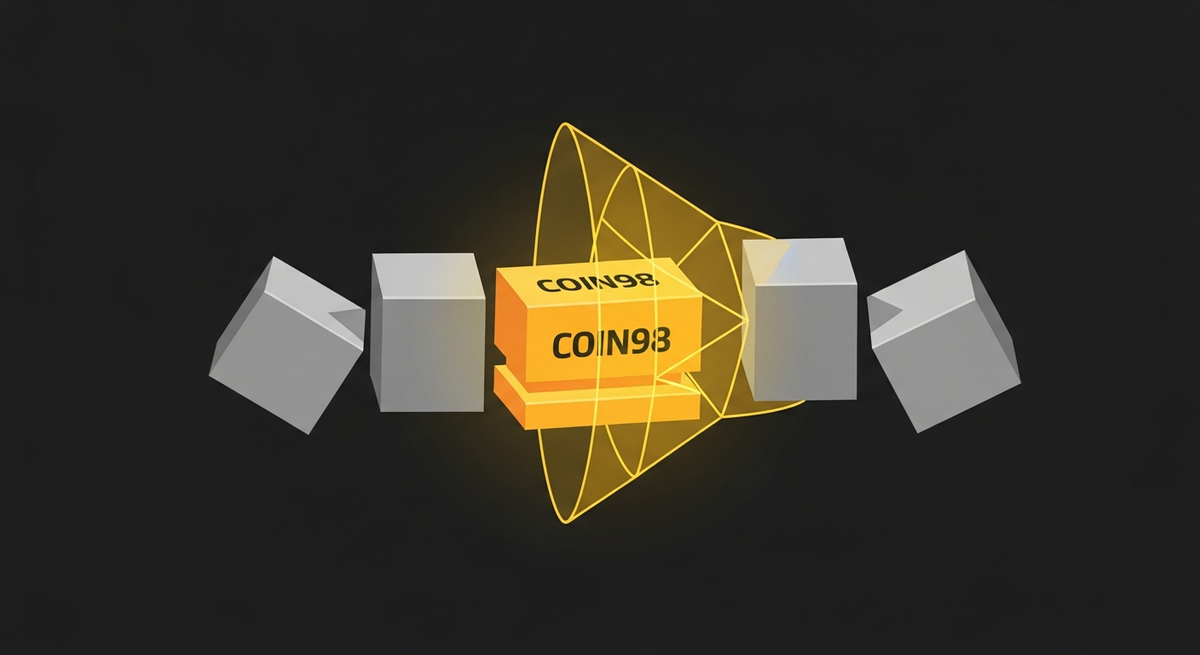
You've found a promising token, set up your swap, and hit 'Confirm.' But the amount of tokens you receive is significantly less than you anticipated. This isn't just bad luck or market volatility; you've likely been targeted by an MEV bot in what's known as a sandwich attack.
This invisible tax is a common frustration for DeFi users, turning potentially profitable trades into losses. At Coin98, we believe in empowering you with knowledge and tools to navigate the market safely. Let's break down what's happening behind the scenes and how you can protect your assets.
What is MEV (Maximal Extractable Value)?
Maximal Extractable Value (MEV) refers to the maximum profit that can be extracted from block production beyond the standard block reward and gas fees. Think of it as an invisible marketplace for transaction ordering. On blockchains like Ethereum, transactions don't get processed instantly. They first enter a public waiting area called the mempool.
Specialized bots, known as “searchers,” constantly scan this mempool for profitable opportunities. They can influence the order of transactions within a block by paying higher gas fees. By strategically placing their own transactions around yours, they can extract value—directly from your pocket.
While MEV can be used for benign purposes like arbitrage, its darker side manifests in predatory strategies like the sandwich attack.
The Anatomy of a Sandwich Attack
A sandwich attack is one of the most common and damaging forms of MEV for the average DeFi trader. It specifically targets swap transactions on Automated Market Makers (AMMs) like Uniswap or PancakeSwap. The bot essentially “sandwiches” your trade between two of its own to manipulate the price and profit from the difference.
Here’s the step-by-step process:
- Step 1: The Bait (Your Transaction): You submit a transaction to swap 1 ETH for TOKEN-A. The bot, scanning the mempool, sees your pending trade and calculates the potential profit based on your trade size and slippage tolerance.
- Step 2: The Front-Run (First Slice of Bread): The bot immediately submits its own buy order for TOKEN-A, but with a slightly higher gas fee. This ensures its transaction is processed before yours. This initial purchase pushes the price of TOKEN-A up.
- Step 3: Your Trade Executes: Now it's your turn. Your swap for TOKEN-A goes through, but at the new, artificially inflated price caused by the bot. You receive fewer tokens than you originally expected—this is the high slippage you experience.
- Step 4: The Back-Run (Second Slice of Bread): The bot, having successfully used your trade to pump the price further, immediately sells the TOKEN-A it bought in Step 2. It sells at this higher price, securing a near risk-free profit.
The result? The bot walks away with a profit, and you're left with a bad trade, wondering what went wrong. You were the “meat” in the sandwich.
How to Protect Your Trades from MEV Bots
Fighting against sophisticated bots might seem daunting, but the right tools and strategies can provide a powerful shield. Here’s how we tackle this problem at Coin98 to ensure you trade securely.
1. Use a Wallet with Built-in MEV Protection
The most effective defense is to prevent bots from seeing your transaction in the first place. This is achieved through private transaction relays.
The Coin98 Super Wallet integrates state-of-the-art MEV Protection directly into our native swap feature. When you place a trade on Coin98 Exchange, instead of broadcasting it to the public mempool, our system sends it through a private RPC (Remote Procedure Call) endpoint. This private channel forwards your transaction directly to block builders who have agreed not to front-run it.
By hiding your trade from the public mempool, you make it invisible to predatory bots, effectively neutralizing the threat of a sandwich attack before it can even begin.
2. Set a Smart Slippage Tolerance
Slippage tolerance is the percentage of price change you are willing to accept while your transaction is pending. Bots thrive on high slippage settings (e.g., 5% or more) because it gives them a large margin to manipulate the price and still have your trade succeed.
Manually setting a low slippage tolerance can be a good defense:
- For stable pairs (e.g., USDC/USDT): A slippage of 0.1% is often sufficient.
- For major pairs (e.g., ETH/WBTC): A setting of 0.5% is generally a safe bet.
- For volatile altcoins: You might need 1-3%, but be aware that this increases your risk. Anything higher is a major red flag for bots.
Within the Coin98 Exchange interface, you have granular control over this setting, allowing you to balance transaction success with security.
Trade Smarter, Not Harder with Coin98
MEV and sandwich attacks are inherent features of transparent blockchain systems, but they don't have to dictate your trading outcomes. By understanding how they work and using the right tools, you can significantly mitigate your risk.
We built the Coin98 ecosystem to be your all-in-one gateway to DeFi, prioritizing not just functionality but also your security. Don't let bots eat into your portfolio.
Ready for a safer trading experience? Download the Coin98 Super Wallet today and activate MEV Protection for your next swap.
Frequently Asked Questions (FAQ)
What is a sandwich attack in crypto?
A sandwich attack is when a bot front-runs your transaction by buying the same asset, lets your trade execute at a higher price, and then immediately sells, profiting from the price difference you created.
How does MEV protection work?
MEV protection works by sending your transaction through a private channel directly to block builders, hiding it from bots that scan the public mempool for profitable opportunities to front-run.
Is a low slippage tolerance always better?
A low slippage (e.g., 0.5%) protects you from sandwich attacks but may cause your transaction to fail in volatile markets. You must balance protection with the likelihood of successful execution.
Can I avoid MEV completely?
While completely avoiding all forms of MEV is difficult, using tools like the Coin98 Super Wallet with MEV protection significantly reduces your exposure to its most harmful forms, like sandwich attacks.