What is Slippage? A Guide to Avoid Front-Running & Fees
Learn what slippage is in crypto and how it impacts your trades. Master slippage settings on Coin98 Super Wallet to optimize fees and prevent front-running.
How to Optimize Fees and Avoid Front-running When Swapping Tokens
You’ve lined up the perfect token swap. The price looks great, you have enough for gas fees, and you hit 'Confirm'. But when the transaction completes, the final amount of tokens in your wallet is less than you expected. This isn't a bug; it's a silent tax on traders known as slippage.
Understanding and managing slippage is not just about saving a few dollars. It's about protecting your trades from invisible threats like front-running and ensuring you keep more of your hard-earned assets. Let's break down what it is and how you can master it.
What Exactly is Slippage in Crypto?
In simple terms, slippage is the difference between the price you expect to pay for an asset and the price you actually pay when the trade executes on-chain. This happens in the small window of time between when you submit your transaction and when it's confirmed by the network.
Think of it like ordering a product online. The price is listed as $100 when you add it to your cart. But by the time you enter your payment details and click 'Buy', a sudden surge in demand has pushed the price to $102. That $2 difference is slippage.
In Decentralized Finance (DeFi), slippage is primarily caused by two factors:
- High Market Volatility: The crypto market moves fast. In a matter of seconds, prices can fluctuate significantly, causing the execution price to differ from the quoted price.
- Low Liquidity: Liquidity refers to the amount of assets available in a trading pool on a Decentralized Exchange (DEX). If you're trying to execute a large trade in a pool with low liquidity, your own trade can significantly move the price, resulting in high slippage.
The Dark Forest: How Slippage Invites Front-Running
Setting a high slippage tolerance might seem like a good way to ensure your transaction goes through during volatile times. However, it also paints a target on your back for sophisticated bots lurking in what's known as the 'mempool'—a waiting area for pending transactions.
These bots, often called MEV (Maximum Extractable Value) bots, scan the mempool for profitable opportunities. When they see your transaction with a high slippage tolerance (e.g., 5%), they can execute a 'front-running' attack:
- The bot sees your large 'buy' order for Token X.
- It quickly copies your trade but submits its own with a much higher gas fee, ensuring its transaction gets processed first.
- The bot's purchase pushes the price of Token X up.
- Your transaction now executes at this new, higher price.
- The bot immediately sells Token X for a guaranteed, risk-free profit, all at your expense.
Your high slippage tolerance essentially told the bot how much profit it could extract from your trade. This is a common and costly problem in DeFi.
The Standard Approach vs. The Coin98 Solution
Most non-custodial wallets, including popular ones like MetaMask and Phantom, provide a basic, manual way to set slippage. They offer default settings (e.g., 0.5%, 1%) and an option to enter a custom value. While functional, this approach puts the full burden on you, the user.
The problem? New users don't know what a 'safe' slippage level is. Setting it too low leads to constantly failed transactions and wasted gas fees. Setting it too high, as we've seen, opens you up to front-running. It's a reactive, often frustrating, experience.
At Coin98, we believe wallet technology should empower you, not complicate things. The Coin98 Super Wallet is designed with a smarter, more proactive approach to trade execution.
How to Master Slippage on Coin98 Super Wallet
Our integrated Coin98 Exchange feature doesn't just give you a box to type in a number; it provides intelligent tools to help you make the best decision.
- Step 1: Navigate to the Swap Feature: Open your Coin98 Super Wallet and select the 'Swap' tab.
- Step 2: Choose Your Tokens: Select the assets you wish to trade. Our swap aggregator will automatically search across dozens of DEXs to find the best possible rate.
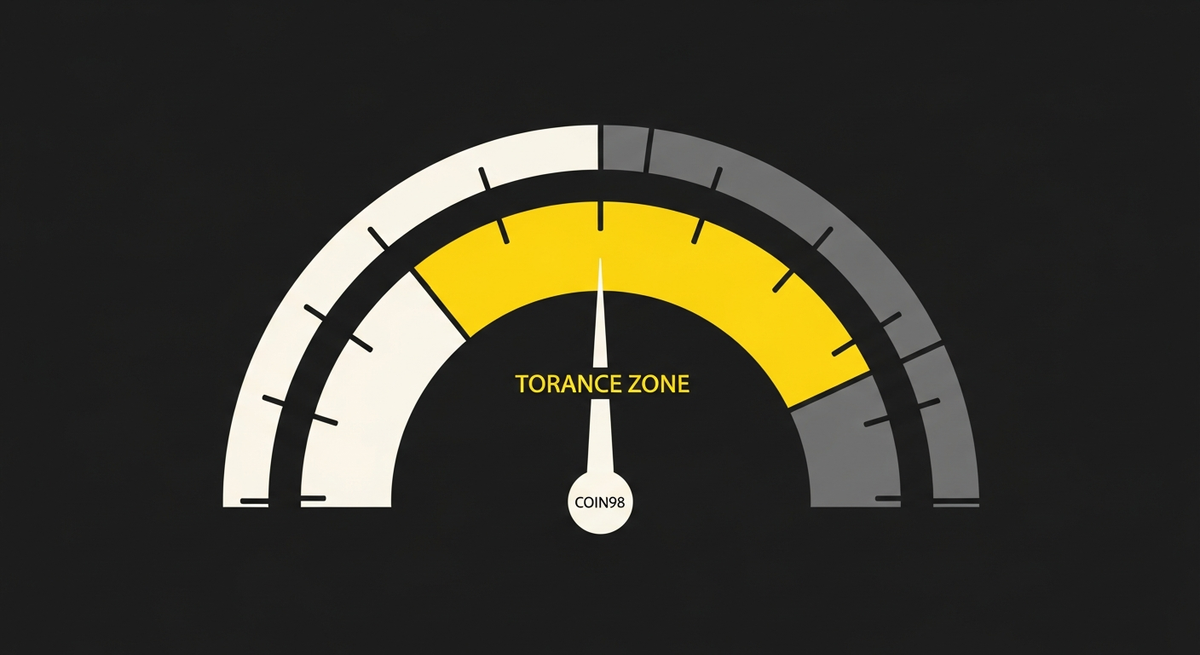
- Step 3: Adjust Slippage Intelligently: Tap the settings icon. Here, you can set your Slippage Tolerance. For stable pairs like USDC/USDT, a low slippage of 0.1% - 0.5% is usually sufficient. For more volatile altcoins, you might need 1% - 3%. Crucially, the interface will warn you if your slippage is set too high, helping you avoid common pitfalls.
- Step 4: Execute with Confidence: Once you've set your parameters, review the final details and confirm the swap. Our routing helps minimize the risk of front-running by finding the most efficient path for your trade.
Pro Tip: Beyond slippage, the Coin98 Exchange helps you save money by finding the route with the best final price after factoring in both price impact and trading fees from different liquidity sources.
Final Checklist to Minimize Slippage
Beyond your wallet settings, here are a few best practices to keep in mind:
- Trade High-Liquidity Pairs: Whenever possible, trade assets with deep liquidity pools.
- Break Down Large Trades: If you need to execute a very large order, consider breaking it into several smaller transactions to reduce price impact.
- Avoid Peak Volatility: Try not to trade during major news events or periods of extreme market panic, as this is when slippage is highest.
Swap Smarter, Not Harder
Slippage is a fundamental part of on-chain trading, but it doesn't have to be a source of loss or frustration. While other wallets provide the basic tools, they often leave you to navigate the complexities alone.
We built the Coin98 Super Wallet to be your trusted co-pilot in DeFi, providing the intelligence and security you need to trade effectively. By understanding and utilizing these advanced features, you can protect your assets and execute swaps with unparalleled confidence.
Ready to take control of your trades? Download the Coin98 Super Wallet today and experience the future of DeFi.
Frequently Asked Questions (FAQ)
What is slippage in crypto?
Slippage is the difference between the expected and actual price paid for an asset when a trade executes on-chain. It occurs during the brief window between transaction submission and confirmation, often leading to receiving fewer tokens than anticipated.
What causes slippage in DeFi?
In DeFi, slippage is primarily caused by high market volatility, leading to rapid price fluctuations, and low liquidity in trading pools. Large trades in illiquid pools can significantly move the price, causing the execution price to differ from the quoted price.
How does slippage invite front-running attacks?
A high slippage tolerance signals an opportunity to front-running bots in the mempool. These bots submit their own trade with higher gas to execute first, manipulating the asset price, then profit as your original transaction processes at this new, less favorable rate.
Why is managing slippage important for traders?
Managing slippage is crucial for traders to protect their capital from unexpected losses and predatory front-running. It ensures your executed trades align closely with your intended price, preventing you from receiving fewer tokens or paying more than anticipated during volatile market conditions.